

Clothes are more than just fabric stitched together — they’re a reflection of who we are, where we come from, and how we express ourselves. From ancient woven garments to the sleek, sustainable fashion trends of today, clothing has always been an integral part of human identity. Whether it’s the comfort of your favorite t-shirt or the confidence of a well-tailored suit, clothes tell a story about you without you ever needing to say a word.
In this article, we’ll take a deep dive into the fascinating world of clothing — exploring its history, purpose, evolution, and the powerful role it plays in culture, economy, and personal identity.
The Origin of Clothing: A Necessity Turned Expression
Long before fashion runways and designer labels, clothes were purely functional. Early humans used animal skins, leaves, and natural fibers to protect themselves from the elements. Clothing was survival, not style. Yet, as societies developed, so did the idea of adornment.
From Animal Hides to Ancient Weaves
Archaeological evidence suggests that humans began wearing clothes around 100,000 years ago. Early materials included leather, fur, and plant fibers. With the advent of weaving and spinning, civilizations like the Egyptians and Mesopotamians began crafting linen and wool garments. These weren’t just for protection — they became symbols of status and culture.
The Symbolism of Dress in Ancient Times
In ancient Egypt, linen symbolized purity; in Rome, the toga was a mark of citizenship; and in China, silk was reserved for nobility. Clothing quickly became a marker of class, gender, and occupation — a social code everyone understood without words.
The Middle Ages: Modesty, Layers, and Luxury
During the medieval period, clothing reflected both hierarchy and morality. People wore layers of wool and linen, and the wealthy flaunted their status through rich fabrics and ornate embroidery.
Fashion and Class Distinctions
Sumptuary laws dictated who could wear what — only nobles could afford velvet, silk, or fur. Commoners dressed simply, while royals wore garments decorated with jewels and gold thread. Clothes were not just about beauty; they were a language of power.
The Renaissance: Art Meets Fashion
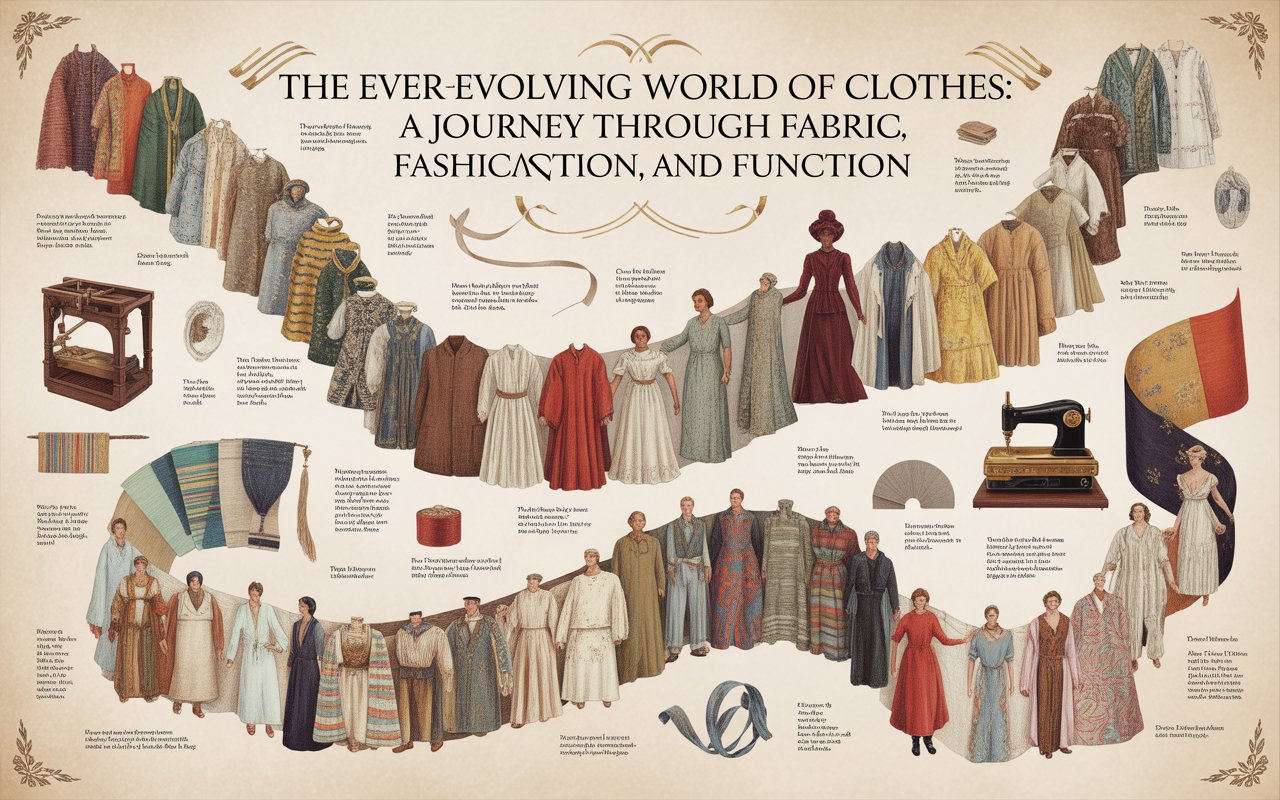
The Renaissance wasn’t just about art and science — it transformed fashion too. Clothing became more colorful, structured, and tailored.
The Birth of Personal Style
People began to express individuality through their outfits. Fabrics like satin, brocade, and lace adorned dresses and tunics. Tailors emerged as artists, shaping garments to complement the body rather than just cover it.
Fashion as a Status Statement
The more intricate the clothing, the higher one’s rank. Royals like Queen Elizabeth I set trends that rippled across Europe, emphasizing collars, corsets, and puffed sleeves — the era of “fashion icons” had begun.
The Industrial Revolution: The Democratization of Dress
The 18th and 19th centuries changed everything. The Industrial Revolution introduced machines that could spin, weave, and sew faster than ever before.
Mass Production Takes Over
Clothes that once took weeks to make by hand could now be produced in factories. This made fashion accessible to more people, not just the elite. The sewing machine revolutionized households, and department stores became popular.
Workwear and Functionality
As industries grew, so did the demand for practical workwear — denim, overalls, and uniforms. The invention of blue jeans by Levi Strauss in the 1870s marked the beginning of an enduring symbol of practicality and rebellion.
The 20th Century: Fashion Finds Its Voice
The 1900s saw an explosion of styles, from the conservative corsets of the early century to the bold experimentation of the late 1900s.
The Roaring Twenties and Beyond
The 1920s flapper dresses broke social norms, symbolizing freedom and rebellion. The 1950s brought glamour back with tailored suits and elegant dresses, while the 1960s and 70s embraced counterculture — miniskirts, bell-bottoms, and tie-dye told stories of youth and revolution.
The Rise of Designers and Brands
Fashion houses like Chanel, Dior, and Gucci transformed clothing into high art. Clothing was no longer just about utility; it was about personality, prestige, and lifestyle.
Clothes as Identity and Expression
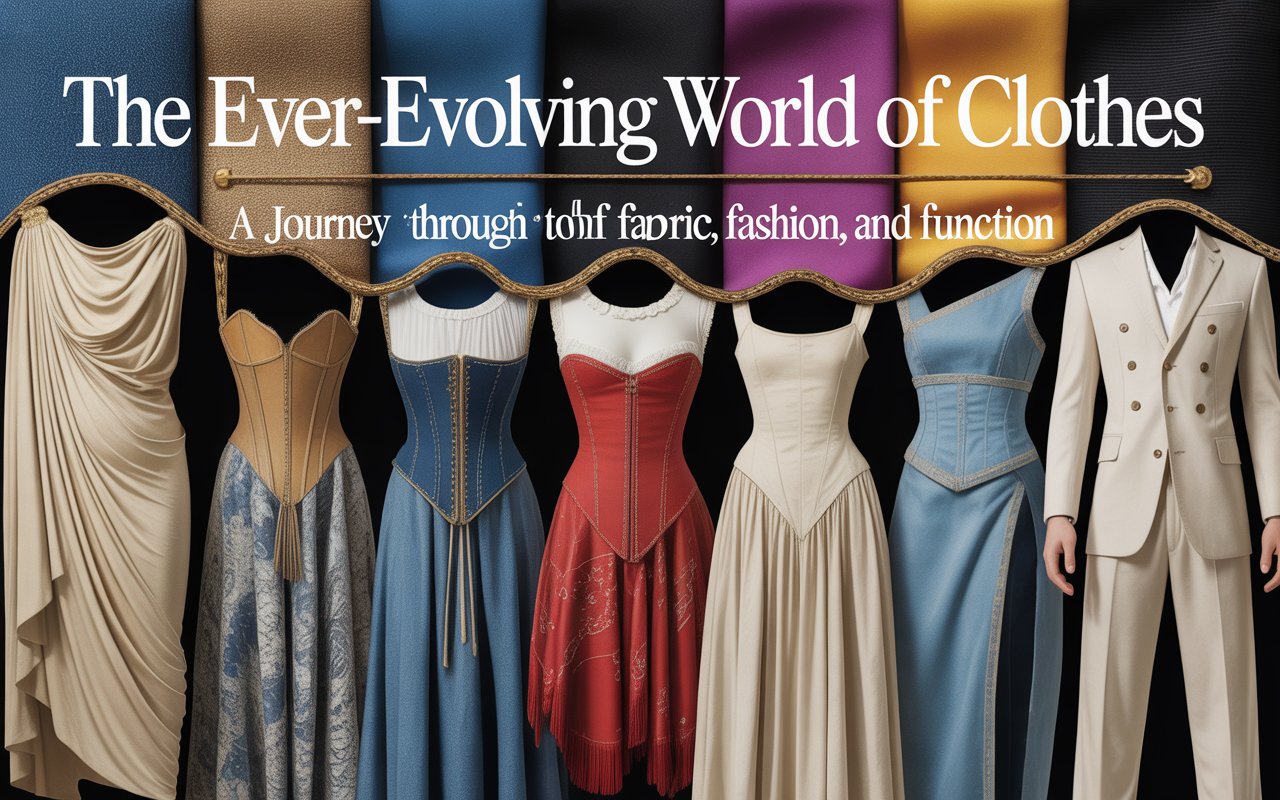
Clothes are the first thing people notice about us. They help us communicate who we are — even when we’re silent.
Personal Style as Self-Expression
Whether you love vintage thrift finds or sleek minimalism, your clothing choices reflect your mood, personality, and values. It’s like painting your personality on fabric.
The Psychology of Dressing
Ever noticed how wearing something you love boosts your confidence? Psychologists call it “enclothed cognition” — the idea that what we wear affects how we think and feel. Putting on professional attire, for instance, can make you feel more competent and in control.
Cultural Significance of Clothing Around the World
Every culture has unique clothing traditions that tell stories of heritage, belief, and identity.
Traditional Attire and Heritage
From the Indian sari to the Japanese kimono, from the Scottish kilt to the Nigerian agbada — traditional clothes are living pieces of history. They connect people to their roots, celebrate festivals, and mark life’s milestones.
Globalization and Cultural Exchange
As travel and technology connected the world, clothing styles began to blend. Western jeans are worn in Asia, while Eastern prints inspire European designers. Fashion became a global conversation — a tapestry woven from countless cultural threads.
The Business of Fashion: From Runways to Retail
The global clothing industry is worth trillions, employing millions of people across design, manufacturing, marketing, and retail.
Fast Fashion vs. Slow Fashion
Fast fashion brands like Zara and H&M made trendy clothes affordable and accessible — but at a cost. The quick turnover encourages waste, overproduction, and labor exploitation. In response, the slow fashion movement emerged, emphasizing quality, ethics, and sustainability.
Technology and Innovation in Clothing
Today, technology is reshaping fashion — from 3D printing and digital fashion shows to “smart fabrics” that monitor health or regulate temperature. The future of clothing might be as much about data as it is about design.
The Sustainability Challenge: Fashion’s Dirty Secret
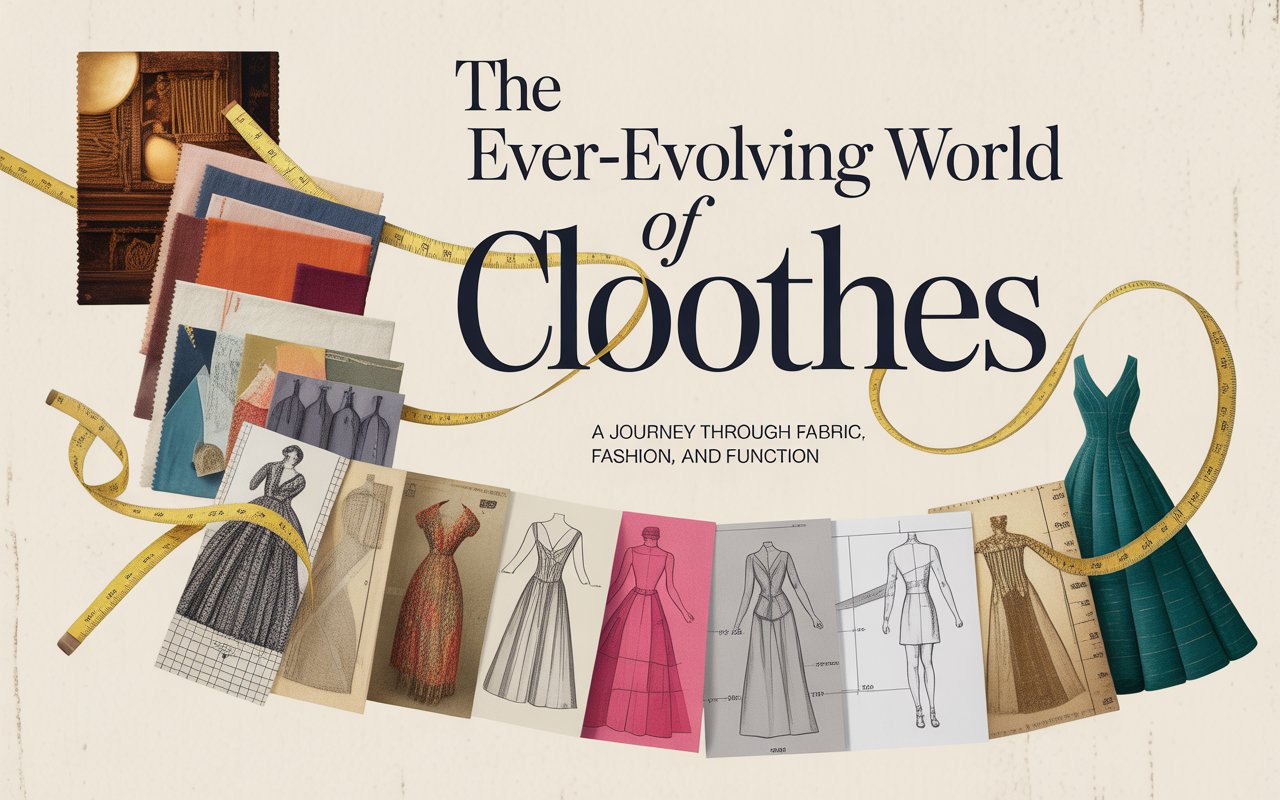
The fashion industry is one of the world’s largest polluters. Every year, millions of tons of clothes end up in landfills, and textile dyeing contaminates water sources.
Eco-Friendly Alternatives
Sustainable brands now use organic cotton, bamboo, and recycled fabrics. Second-hand shopping, clothing swaps, and upcycling are gaining popularity. The idea isn’t just to buy — but to buy better.
Minimalism and Conscious Consumption
“Less is more” has become a modern mantra. Capsule wardrobes encourage people to own fewer, higher-quality items that mix and match effortlessly. This shift is as much philosophical as it is practical — a move toward mindfulness in fashion.
The Digital Era: Social Media and Style
Instagram, TikTok, and YouTube have revolutionized how we perceive and consume fashion.
Influencers and Online Trends
Instead of fashion magazines, many people now look to influencers for style inspiration. A viral trend can turn an unknown brand into a global sensation overnight.
Virtual Fashion and the Metaverse
Digital clothing — yes, clothes that exist only online — are now being bought and sold for avatars and digital art. Fashion is entering a virtual dimension, proving that even pixels can have personality.
The Future of Clothing: Innovation Meets Ethics
The next era of clothing will likely blend sustainability with innovation.
Smart Clothing and Wearable Tech
Imagine a shirt that adjusts its temperature automatically or sneakers that track your fitness. These innovations are already being developed. The line between clothing and technology is fading fast.
Inclusivity and Diversity in Fashion
The fashion world is becoming more inclusive — celebrating all sizes, skin tones, and genders. The message is clear: everyone deserves to feel beautiful in their own skin and style.
Conclusion: More Than Fabric — A Mirror of Humanity
Clothes aren’t just about fashion; they’re about identity, emotion, and evolution. They tell stories of survival, creativity, and change. From ancient hides to high-tech fabrics, our journey through clothing mirrors our journey as humans — constantly adapting, innovating, and expressing.
So, the next time you pick out an outfit, remember — you’re not just choosing what to wear. You’re choosing how to tell your story to the world.
FAQs About Clothes
1. Why do humans wear clothes?
Humans wear clothes primarily for protection from weather, modesty, and comfort. Over time, clothing also became a means of self-expression and cultural identity.
2. How has fashion changed over time?
Fashion has evolved from simple handmade garments to complex, mass-produced designs. Each era reflects social, cultural, and technological changes, from the corsets of the past to today’s eco-friendly fabrics.
3. What is the difference between fast fashion and slow fashion?
Fast fashion focuses on producing trendy clothes quickly and cheaply, often harming the environment. Slow fashion emphasizes quality, sustainability, and ethical production practices.
4. How do clothes affect our confidence?
Clothes influence how we feel about ourselves — wearing something that fits well and feels good can boost confidence and improve mood, a concept known as enclothed cognition.
5. What are sustainable clothing choices I can make?
Opt for organic or recycled materials, buy from ethical brands, repair instead of discard, and consider thrifting or creating a capsule wardrobe to reduce waste.
