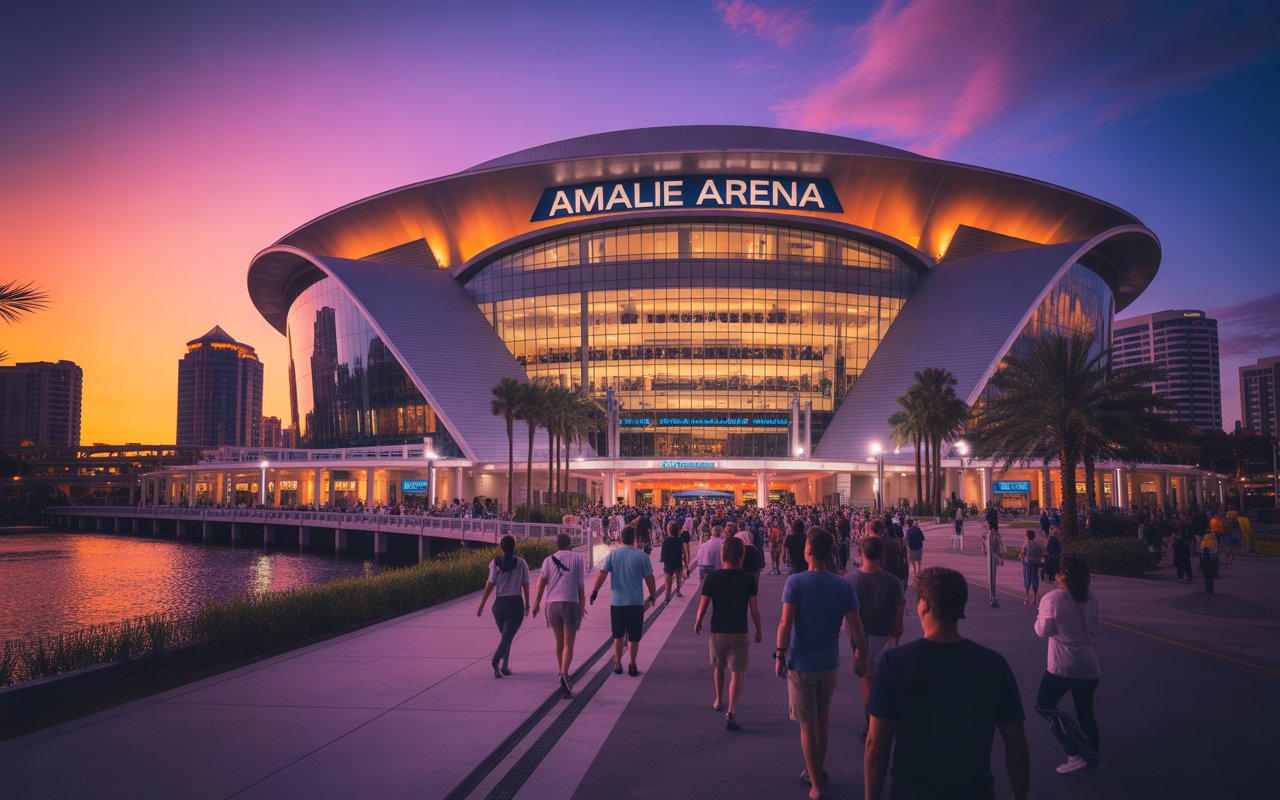
Sports have a magical way of bringing people together. Whether you’re watching a nail-biting football match, cheering at a local marathon, or playing a casual game of basketball with friends, there’s something about sports that connects us all. They speak a universal language that crosses borders, breaks barriers, and forges lifelong bonds.
In this article, we’ll dive into how sports create deep social connections, influence personal development, and even shape nations. Let’s explore the web of relationships that sports weave across our lives — one game, one cheer, and one goal at a time.
1. The Universal Language of Sports
Ever noticed how a crowd can erupt in the same joy no matter where they’re from? That’s the beauty of sports — they communicate without words. A smile after a goal, a handshake after a race, or even tears after a loss — these emotions are universally understood.
Sports offer something few other activities do: a shared emotional experience. Whether in Tokyo, New York, or Nairobi, the excitement of competition feels the same. You don’t need to speak the same language to celebrate a victory together. It’s like music — the rhythm might change, but the beat of emotion stays the same.
2. Building Bridges Between Cultures
When athletes compete internationally, they bring with them not just their skills but their stories, traditions, and heritage. Events like the Olympics or the FIFA World Cup show us that sports are not just contests — they’re cultural celebrations.
Through sports, people learn about other nations’ customs and values. A Japanese judoka might share a bow with a French competitor before a match. Fans might exchange flags and smiles in the stands. These moments remind us that despite our differences, respect and camaraderie can bridge even the widest cultural gaps.
3. The Emotional Power of Shared Victories and Defeats

If you’ve ever screamed in joy when your favorite team scored, you know the rush. Sports create emotional highs and lows that we experience together. That shared adrenaline fosters unity — complete strangers become allies for ninety minutes.
Think about it: in a packed stadium, no one cares who’s a doctor, a student, or a shopkeeper. Everyone’s voice merges into one chant. It’s one of the few places where emotions flow freely and connections form instantly.
Even losses bring people closer. When a team falls short, the shared disappointment can strengthen the sense of belonging. Supporters console each other, already looking forward to the next chance.
4. Sports as a Tool for Social Inclusion
Sports can change lives far beyond the scoreboard. For marginalized or disadvantaged communities, they offer opportunities for inclusion, empowerment, and hope.
Programs that promote participation among youth, women, and people with disabilities use sports as a bridge to equality. For instance, adaptive sports like wheelchair basketball or the Paralympics highlight human potential, not limitations. They remind us that physical challenges don’t define ability — determination does.
In many neighborhoods, community sports programs have become safe spaces where young people learn teamwork, discipline, and leadership — life skills that extend far beyond the field.
5. The Role of Sports in Personal Development
Playing sports teaches far more than how to win a game. It cultivates patience, resilience, and self-belief. Athletes learn that progress takes time, that setbacks are part of the journey, and that teamwork matters more than ego.
Think of it like planting a tree — you don’t see growth overnight. It takes consistent care, effort, and patience before it bears fruit. Sports mirror that process perfectly.
Children who play sports often develop stronger social bonds and healthier self-esteem. Adults, too, benefit from the structure and stress relief that physical activity provides. Sports become a mirror of life itself — filled with challenges, triumphs, and the lessons in between.
6. Connecting Communities Through Local Sports

Local sports clubs are the heartbeat of many communities. They bring neighbors together, foster friendship, and create a sense of belonging. Whether it’s a weekend cricket match, a charity fun run, or a community soccer league, local sports connect people from all walks of life.
These grassroots events often go beyond competition. They support local causes, encourage volunteerism, and strengthen civic pride. In small towns, a local team can be the pride of the entire community — a unifying symbol that represents shared identity and hope.
7. Sports and National Identity
When a country’s team wins an international championship, it’s not just about the trophy — it’s about pride. Sports often serve as a mirror of national identity, showcasing the strength, spirit, and unity of a nation.
From Brazil’s love affair with football to India’s passion for cricket, sports become a language through which people express patriotism. Even in defeat, the collective experience of supporting one’s team creates a national bond that transcends politics, class, and region.
8. The Economic and Social Ripple Effect of Sports
Sports also have tangible effects beyond emotions. They boost economies, create jobs, and attract tourism. Hosting major tournaments like the Olympics or regional events like the Asian Games brings infrastructure development, media coverage, and international recognition.
But the impact isn’t just economic. Socially, these events inspire volunteerism, cultural exchange, and civic pride. They can even lead to urban renewal — turning old, neglected spaces into lively hubs of activity.
When done responsibly, sports become a catalyst for both economic progress and social harmony.
9. Technology and the Evolution of Sports Connections
In today’s digital era, sports connections have expanded beyond stadiums and TV screens. Fans connect through social media, virtual communities, and online games. Live streaming allows people to watch events anywhere in the world, while fan forums create new spaces for interaction.
Athletes, too, use platforms like Instagram and X (Twitter) to connect directly with their supporters, sharing behind-the-scenes moments and personal insights. Technology has made sports more interactive, turning fans into participants rather than mere spectators.
Virtual reality and wearable tech are even redefining how we experience and play sports — allowing people to train, compete, and connect in entirely new ways.
10. Sports Diplomacy: When Games Replace Politics
Sometimes, sports succeed where politics fail. “Sports diplomacy” uses athletic events as a peaceful bridge between countries. Historic examples include the “ping-pong diplomacy” between the U.S. and China in the 1970s and the joint Korean team at the Winter Olympics.
These gestures may seem symbolic, but they open doors for dialogue, soften tensions, and remind nations of their shared humanity. Sports create a common ground where competition coexists with cooperation — a rare and powerful balance.
11. Challenges in Modern Sports Connections
Of course, not all connections in sports are positive. Issues like corruption, doping, and commercialization can tarnish the spirit of fair play. The growing pressure on athletes and the exploitation of young talent are concerns that need attention.
Social inequalities can also limit access to sports for certain groups. Addressing these challenges means ensuring that sports remain inclusive, ethical, and accessible to all — not just the privileged few.
The real victory lies not just in winning games but in preserving the integrity and values that make sports meaningful in the first place.
12. The Future of Sports and Human Connection
Looking ahead, the role of sports in society will only grow. As technology evolves and the world becomes more connected, the ways we engage with sports will keep changing — but the emotional essence will stay the same.
We’ll see more virtual tournaments, greater diversity in participation, and perhaps entirely new sports emerging. Yet at the heart of it all, the core reason we love sports will endure: they bring us together.
Just as a torch passes from one athlete to another in a relay, the spirit of sports continues to pass from one generation to the next — lighting up hearts, communities, and nations alike.
Conclusion: More Than Just Games
Sports are not just about scores, medals, or trophies. They’re about connection — between people, communities, and even nations. They teach us teamwork, resilience, and empathy. They remind us that while we may compete, we’re ultimately on the same team — humanity’s.
So the next time you watch a match or play a game, remember: you’re not just part of a sport. You’re part of a story — one that unites billions across the world.
Frequently Asked Questions (FAQs)
1. How do sports help build community relationships?
Sports create a common platform where people from different backgrounds come together, fostering communication, teamwork, and mutual respect. Local sports events often become community gatherings that strengthen social ties.
2. Can sports really promote peace between countries?
Yes. Sports diplomacy has a long history of easing tensions and opening dialogue between nations. Shared participation in sporting events can build goodwill even when political relations are strained.
3. What are the main benefits of playing sports for individuals?
Sports improve physical health, boost mental well-being, and develop social and leadership skills. They teach patience, discipline, and how to handle success and failure gracefully.
4. How has technology changed the way people connect through sports?
Technology allows fans to engage with sports anytime and anywhere — through live streaming, virtual reality, and social media. It has transformed sports into a global, interactive experience.
5. What challenges do sports face in maintaining their integrity?
Corruption, doping scandals, and over-commercialization can undermine trust in sports. Ensuring fair play, transparency, and inclusivity is essential to preserve the true spirit of competition.