
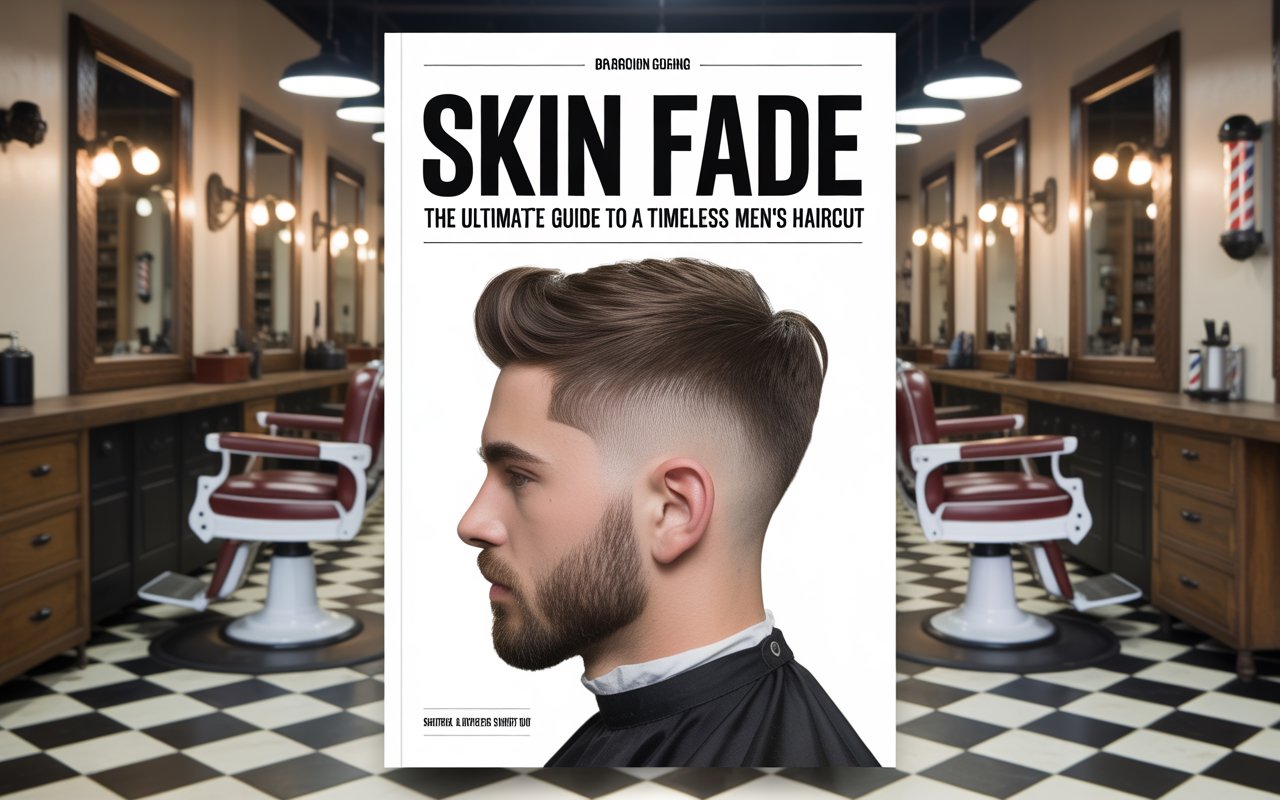
When it comes to modern hairstyles, some trends come and go, but a skin fade has proven to be more than just a passing fad. This clean, sharp, and versatile haircut has become a staple in barbershops around the world. Whether you’re someone who loves experimenting with your style or you prefer a neat and classic look, understanding this haircut can completely transform your appearance.
In this comprehensive guide, we’ll break down everything you need to know about this popular haircut — from its history and variations to styling tips and maintenance secrets. Think of this as your personal handbook to mastering the skin fade.
✂️ What Exactly Is a Skin Fade?
Before diving into the styling techniques, let’s clarify what the term really means. A skin fade is a haircut where the hair on the sides and back is gradually tapered down until it blends seamlessly into the skin. The transition from longer hair on top to completely shaved at the bottom creates a smooth, gradient-like effect.
This fading technique requires precision and skill because the blend must look natural — there’s no harsh line dividing the hair lengths. The result? A clean, polished look that frames the face beautifully.
A Brief History of the Skin Fade
Believe it or not, the skin fade has military roots. In the mid-20th century, soldiers wore extremely short haircuts for hygiene and uniformity. Over time, barbers started experimenting with different tapering styles, creating the fade we recognize today.
By the 1980s and 1990s, the fade gained popularity in urban communities and hip-hop culture. Iconic artists and athletes started sporting various fade styles, making it a cultural statement. Fast forward to today, it has become a mainstream haircut seen in workplaces, fashion runways, and everyday street style.
♂️ Why So Popular? The Appeal of the Skin Fade
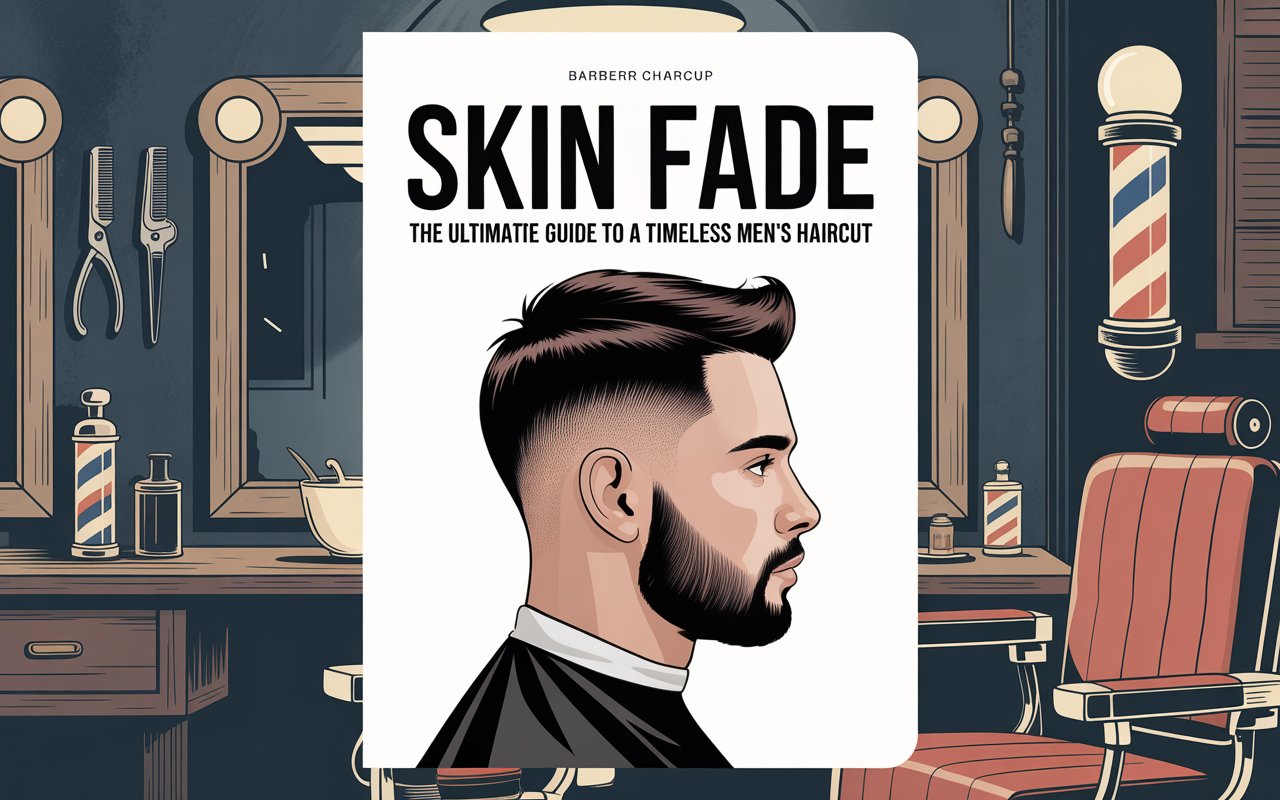
Why does this hairstyle work for so many people? The secret lies in its versatility and clean finish. Here are a few reasons why it has become a go-to choice:
-
Neat and professional: It gives a sharp, fresh appearance that works in both casual and formal settings.
-
Low maintenance: The shorter sides mean less daily styling is needed.
-
Enhances facial features: The fade draws attention to your jawline, cheekbones, and overall face shape.
-
Pairs well with any top style: From pompadours to buzz cuts, the skin fade complements almost any hairstyle on top.
Think of it like wearing a perfectly tailored suit — it doesn’t just look good; it feels right.
Types of Skin Fades: Choosing Your Style
Not all fades are created equal. There are several types of skin fades, and choosing the right one depends on your personal preference, hair type, and face shape. Let’s explore the most common variations.
1. Low Skin Fade
A low skin fade starts just above the ear and tapers gradually. It offers a subtle, refined finish that’s perfect for those who want a clean look without too much contrast. This is often paired with longer hairstyles on top for a balanced appearance.
2. Mid Skin Fade
Sitting between the low and high, the mid fade starts around the temple area. It gives a more noticeable gradient while still keeping things versatile. It’s ideal for people who want something stylish but not too extreme.
3. High Skin Fade
A high fade starts high on the sides, near the crown. It creates a bold, striking contrast between the shaved sides and the top. This type is popular among younger men and those who love modern, edgy styles.
4. Taper Fade
Technically not a full skin fade, a taper fade focuses on blending around the neckline and sideburns. It’s subtle, elegant, and works well in professional environments.
5. Burst and Drop Fades
These creative versions involve shaping the fade around the ear (burst) or following the head’s natural curve (drop). They add a unique twist for those who like to stand out.
Understanding Face Shapes: Finding the Right Fade
Choosing the perfect skin fade isn’t just about picking what looks cool on Instagram — it’s about matching your haircut to your face shape.
-
Round faces: High fades add definition and elongate the face.
-
Square faces: Mid fades balance the strong jawline.
-
Oval faces: Lucky you — almost every fade works well!
-
Long faces: Low fades keep proportions balanced without exaggerating length.
-
Heart-shaped faces: A low to mid fade helps soften the forehead area.
A skilled barber can recommend the best option for your specific features, so don’t hesitate to ask.
Preparing for a Skin Fade: What to Know Before You Sit in the Chair
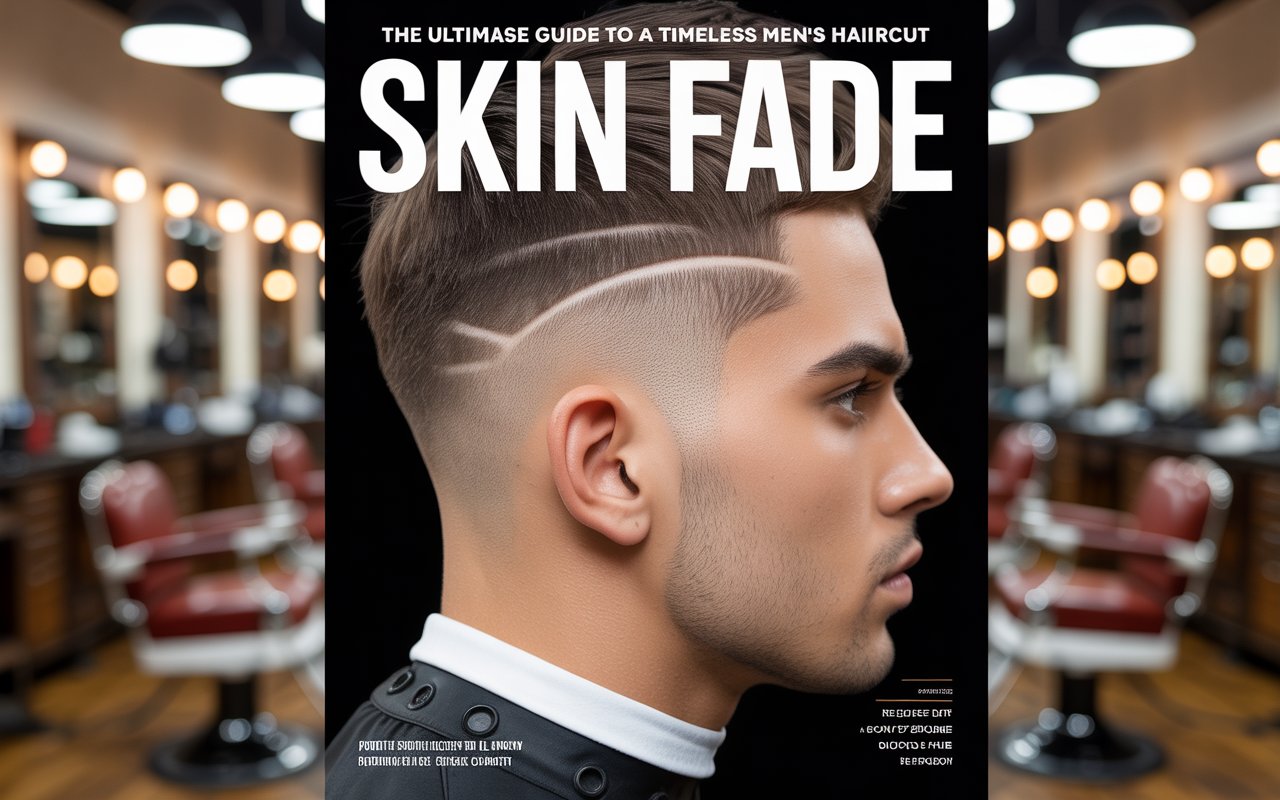
Walking into a barbershop without a plan can sometimes lead to disappointing results. Here’s how to get the most out of your haircut:
-
Bring a reference photo: It helps your barber understand exactly what you want.
-
Be clear about the fade height: Low, mid, or high — specify your preference.
-
Discuss top length: The length on top dramatically affects the overall look.
-
Consider your lifestyle: If you don’t have time for daily styling, a simpler top might be better.
Good communication is key. Your barber isn’t a mind reader, but with the right guidance, they can deliver the perfect fade.
The Barber’s Technique: How a Skin Fade Is Done
Achieving a flawless skin fade requires skill and precision. Here’s a step-by-step overview of what happens during the cut:
-
Sectioning the hair: The barber separates the top from the sides.
-
Clipping in stages: Starting with longer guards and gradually moving down to zero or a foil shaver.
-
Creating the guideline: A base line is set to define where the fade will start.
-
Blending: Clippers and trimmers are used to blur the line between different lengths.
-
Detailing: Edges around the ears, neckline, and sideburns are cleaned for a crisp finish.
It’s almost like creating a gradient painting, where every stroke matters.
Styling a Skin Fade: Making It Your Own
Once you have the perfect fade, styling the top completes the look. Your styling routine depends on your chosen top length and texture:
-
Short top: A dab of matte clay or pomade gives a clean, minimal finish.
-
Medium length: Use a blow dryer for volume, then finish with a light hold product.
-
Longer styles: Creams and mousses provide movement without stiffness.
Experiment to find what suits your personality. Remember, the fade sets the foundation, but the top brings it to life.
Maintenance and Aftercare Tips
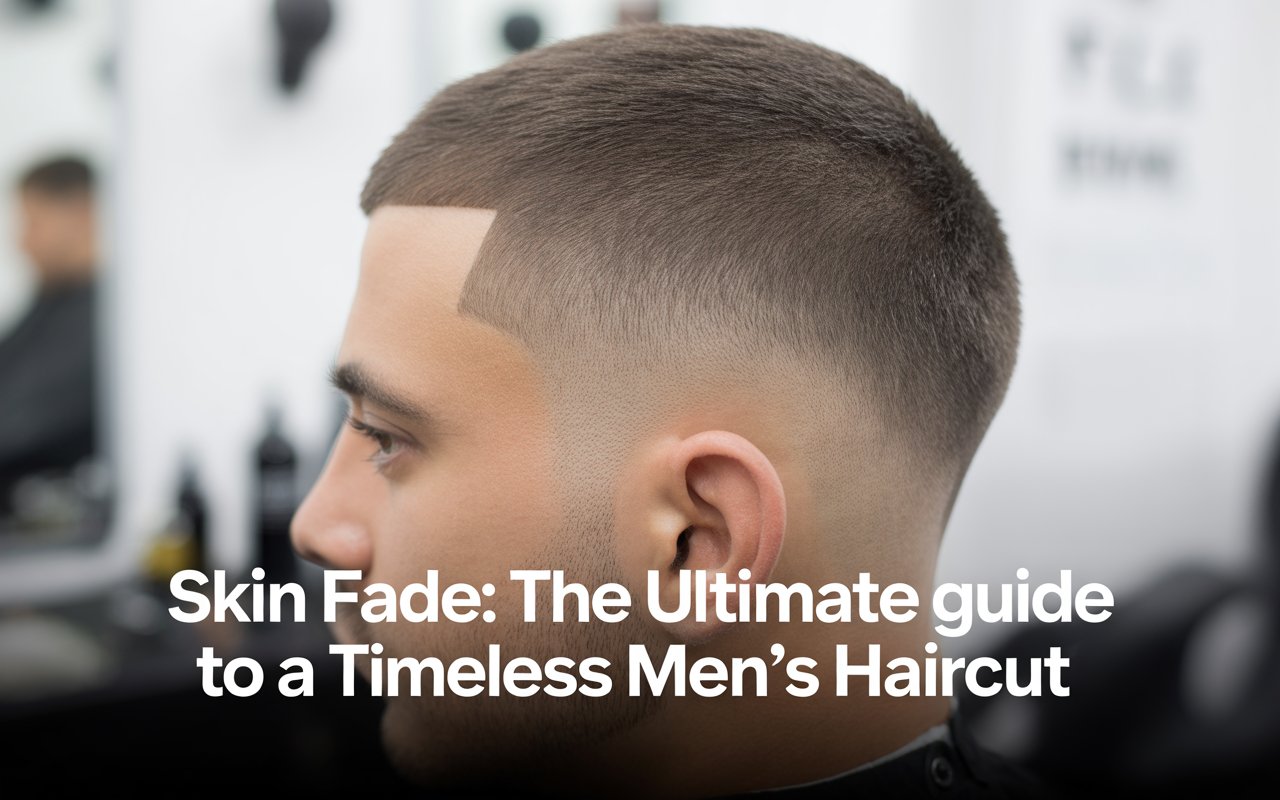
A skin fade looks best when it’s fresh, but hair grows quickly. To keep it sharp:
-
Visit the barber every 2–3 weeks for touch-ups.
-
Use quality shampoo and conditioner to maintain scalp health.
-
Moisturize shaved areas to prevent dryness or irritation.
-
Trim edges at home (carefully!) between appointments for a clean neckline.
Think of it like maintaining a crisp white shirt — regular care keeps it looking brand new.
Skin Fade for Different Hair Types
Your hair texture plays a big role in how the fade looks:
-
Straight hair: Shows clean lines and blends easily.
-
Wavy hair: Adds natural movement and volume to the top.
-
Curly hair: Creates a strong contrast between the fade and the curls, offering a bold finish.
-
Coarse hair: Works well with defined fades, highlighting the sharpness.
Every hair type brings its own character to the style — embrace it!
Cultural Influence and Modern Popularity
From Hollywood celebrities to local barbershop trends, the skin fade has crossed cultural and geographical boundaries. It’s seen on red carpets, football fields, and in everyday life. Its adaptability is what makes it universal — it can be edgy, classic, or somewhere in between.
Conclusion: A Style That Stands the Test of Time
A skin fade isn’t just a haircut; it’s a statement. Whether you prefer a subtle low fade or a striking high fade, this style offers endless possibilities for customization. Its clean look, adaptability, and timeless appeal make it a favorite across generations.
So the next time you’re due for a haircut, consider giving this classic yet modern style a try. With the right barber and a little maintenance, you’ll walk out feeling sharper than ever.
❓ FAQs
1. How long does a skin fade usually last?
Typically, a skin fade stays sharp for about two to three weeks. After that, regular touch-ups help maintain the clean gradient.
2. Can I get a skin fade with curly or textured hair?
Absolutely. In fact, skin fades look fantastic on curly hair, as the contrast between the sides and the top enhances the curls’ shape.
3. Does a skin fade require a lot of daily styling?
Not necessarily. The fade itself doesn’t need much styling; the top determines your routine. Shorter tops are low-maintenance, while longer styles need a bit more work.
4. Is it okay to do a skin fade at home?
While it’s possible with the right tools, achieving a professional-level blend is challenging. For best results, it’s wise to let a skilled barber handle it.
5. How can I avoid skin irritation after a fade?
Using gentle, alcohol-free aftershave and keeping the shaved areas moisturized can prevent irritation and bumps.
