When you see a diamond necklace sparkling under the light, it’s hard not to pause and admire its beauty. It’s more than just a piece of jewelry—it’s a statement, a memory, and sometimes even a legacy. Whether worn at a grand event, gifted on a special day, or passed down through generations, this elegant accessory has an unmatched charm that transcends time and trends.
In this article, we’ll take a deep dive into everything you need to know about diamond necklaces—exploring their history, types, craftsmanship, styling tips, care routines, and more. By the end, you’ll have a clear picture of why this radiant adornment remains a favorite across cultures and generations.
The History Behind the Sparkle
Long before diamond necklaces became modern fashion staples, they symbolized wealth, power, and divine beauty. Centuries ago, royal families in Europe and Asia adorned themselves with diamond jewelry to signify status and prestige. These pieces weren’t just accessories—they were treasures carefully set in gold and silver by skilled artisans.
During the Renaissance period, diamonds were believed to have mystical powers, often worn by monarchs and nobles. In India, where some of the world’s earliest diamonds were discovered, necklaces were meticulously crafted with gems that told stories of dynasties and spirituality. Over time, this heritage spread globally, and diamonds became accessible to a wider audience, marking love, celebration, and sophistication.
Why Diamond Necklaces Hold a Special Place
Have you ever noticed how a simple outfit transforms when you add a diamond necklace? It’s like turning on a spotlight. These pieces carry an emotional weight that goes beyond their physical value.
For many, buying or receiving one marks milestones—graduations, engagements, weddings, anniversaries, or career achievements. Others simply appreciate the artistry and elegance. Unlike fast fashion, a well-made necklace is timeless, often becoming an heirloom that tells family stories for generations.
Types of Diamond Necklaces: Finding Your Style
Not all diamond necklaces look or feel the same. Each design has its own personality, making it easier to find something that reflects yours.
Classic Solitaire Necklace
This design features a single diamond set on a delicate chain. Its simplicity is its strength—like a spotlight shining on one dazzling star. Perfect for daily wear or subtle elegance.
Tennis Necklace
A continuous line of diamonds encircling the neck, this style exudes luxury and grace. It’s often chosen for grand events and red-carpet appearances, but more minimal versions are now popular for modern wardrobes.
Pendant Necklace
Here, the focus is on the pendant—whether it’s a teardrop, heart, floral motif, or even a personalized design. It allows for creative expression while keeping the overall look refined.
Choker Necklace
Sitting close to the neck, chokers bring a contemporary twist to traditional diamond jewelry. Paired with evening wear, they make a bold, fashion-forward statement.
Bib Necklace
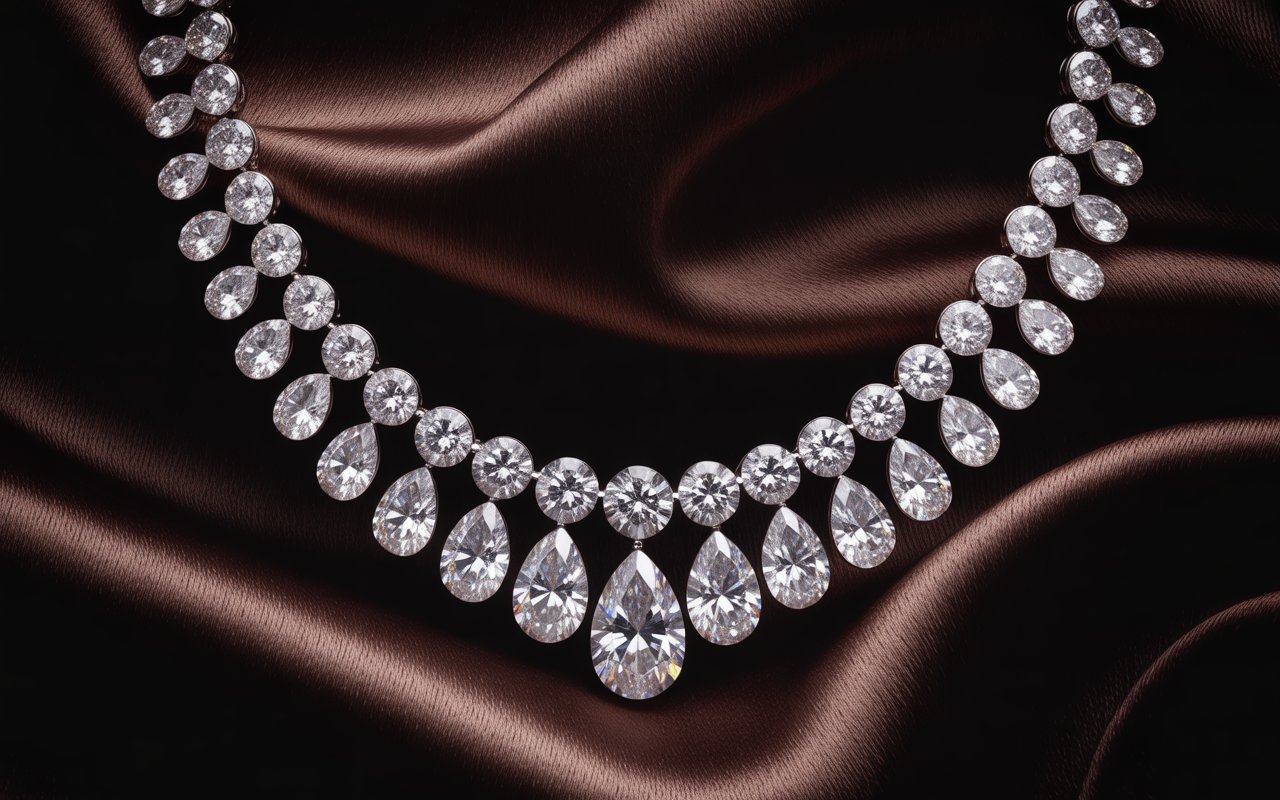
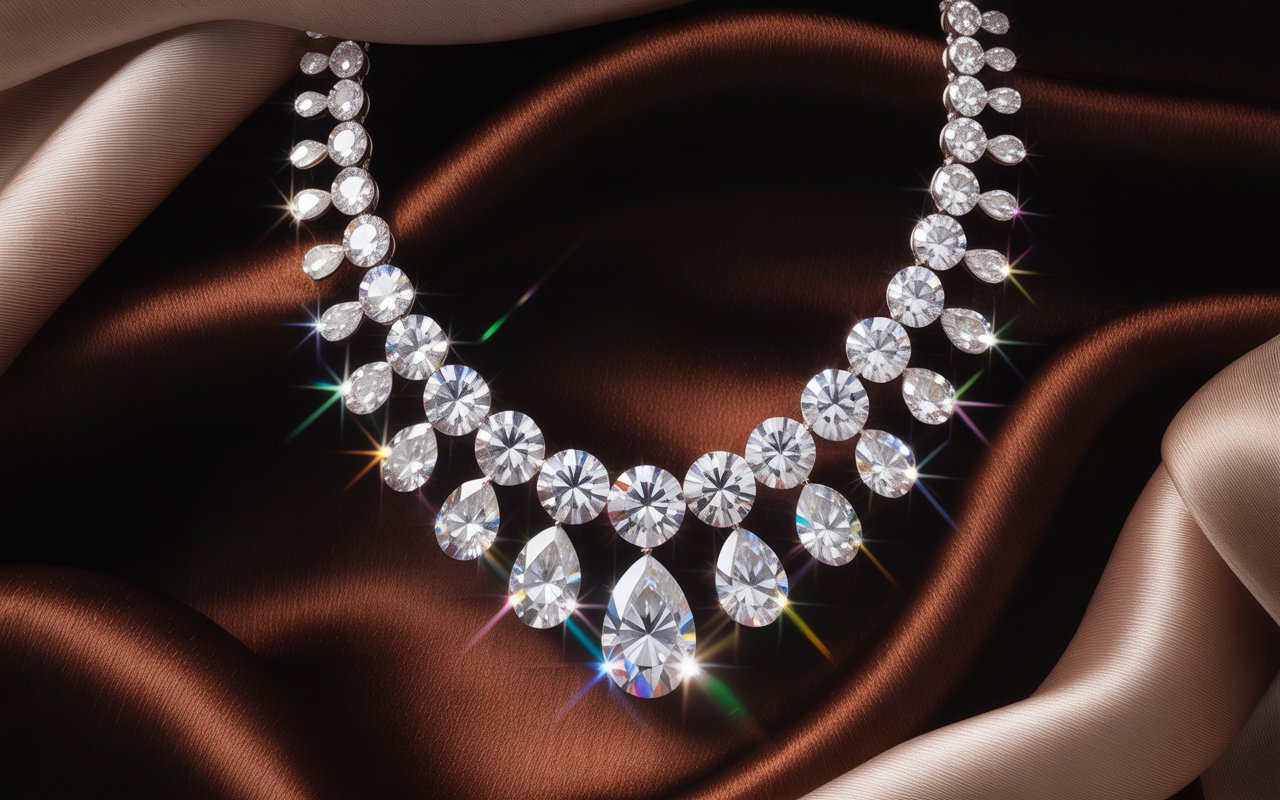
If you’ve ever seen intricate layers of diamonds cascading like a waterfall, that’s a bib necklace. These are usually reserved for significant occasions, blending drama with elegance.
Understanding Diamond Quality: The Famous Four Cs
Before you invest in a diamond necklace, understanding the Four Cs—Cut, Color, Clarity, and Carat weight—is essential. Think of these as the DNA of every diamond.
Cut: The Sparkle Factor
The cut determines how light reflects within the stone. A well-cut diamond shines like a mirror reflecting sunlight, whereas a poor cut looks dull even if it’s large.
Color: Subtle Differences
While some diamonds appear completely clear, most have slight color tints. The grading scale runs from D (colorless) to Z (light yellow or brown). The closer to D, the rarer and more valuable it is.
Clarity: Nature’s Fingerprint
Almost every diamond has tiny internal features called inclusions. Fewer inclusions mean higher clarity and brilliance. Think of them like birthmarks—unique but sometimes visible.
Carat: Size and Weight
Carat measures weight, not size, though larger carat diamonds often look more prominent. It’s a key factor in pricing, but brilliance and cut matter just as much as size.
Choosing the Perfect Necklace for You
Picking the right diamond necklace is a bit like choosing a lifelong companion—it should reflect your personality and lifestyle.
Ask yourself:
-
Do you prefer understated elegance or bold glamour?
-
Will you wear it daily or reserve it for special occasions?
-
Are you more drawn to vintage charm or modern minimalism?
For everyday use, a solitaire or small pendant works beautifully. If you’re attending formal gatherings, tennis or bib necklaces can make a striking impression. Also, consider your neckline—long chains complement plunging necklines, while chokers pair well with off-shoulder outfits.
The Craftsmanship Behind the Beauty
A diamond necklace is more than stones and metal. It’s a result of hours of meticulous artistry. Jewelers first design the piece, often sketching intricate patterns before selecting the right stones. Each diamond is then hand-set into the framework with precision to ensure symmetry, stability, and maximum sparkle.
It’s a bit like composing music—every note (or in this case, every stone) must harmonize to create a masterpiece. High-end pieces are often crafted by master artisans whose skills are passed down through generations.
Modern Trends and Creative Twists
While tradition holds strong, modern designs are evolving fast. Designers today mix lab-grown diamonds, colored gemstones, and unique metal finishes to create contemporary pieces. Layering multiple delicate necklaces has become a popular styling choice, allowing wearers to express individuality.
Sustainable jewelry is also gaining traction. More buyers are opting for ethically sourced stones and recycled metals, reflecting a shift toward conscious luxury without compromising on beauty.
How to Style a Diamond Necklace
Styling a diamond necklace doesn’t have to be intimidating. Here are a few simple yet effective tips:
-
Pair with simplicity: Let the necklace shine by keeping your outfit minimal.
-
Layer thoughtfully: Mix lengths and styles to create dimension without overwhelming the look.
-
Match the occasion: A subtle pendant suits the office, while a dazzling choker might be ideal for a gala.
-
Balance with other jewelry: If you’re wearing statement earrings, opt for a lighter necklace to keep harmony.
Think of it like painting—you want balance, not clutter, so each element stands out gracefully.
Caring for Your Necklace: Keep the Sparkle Alive
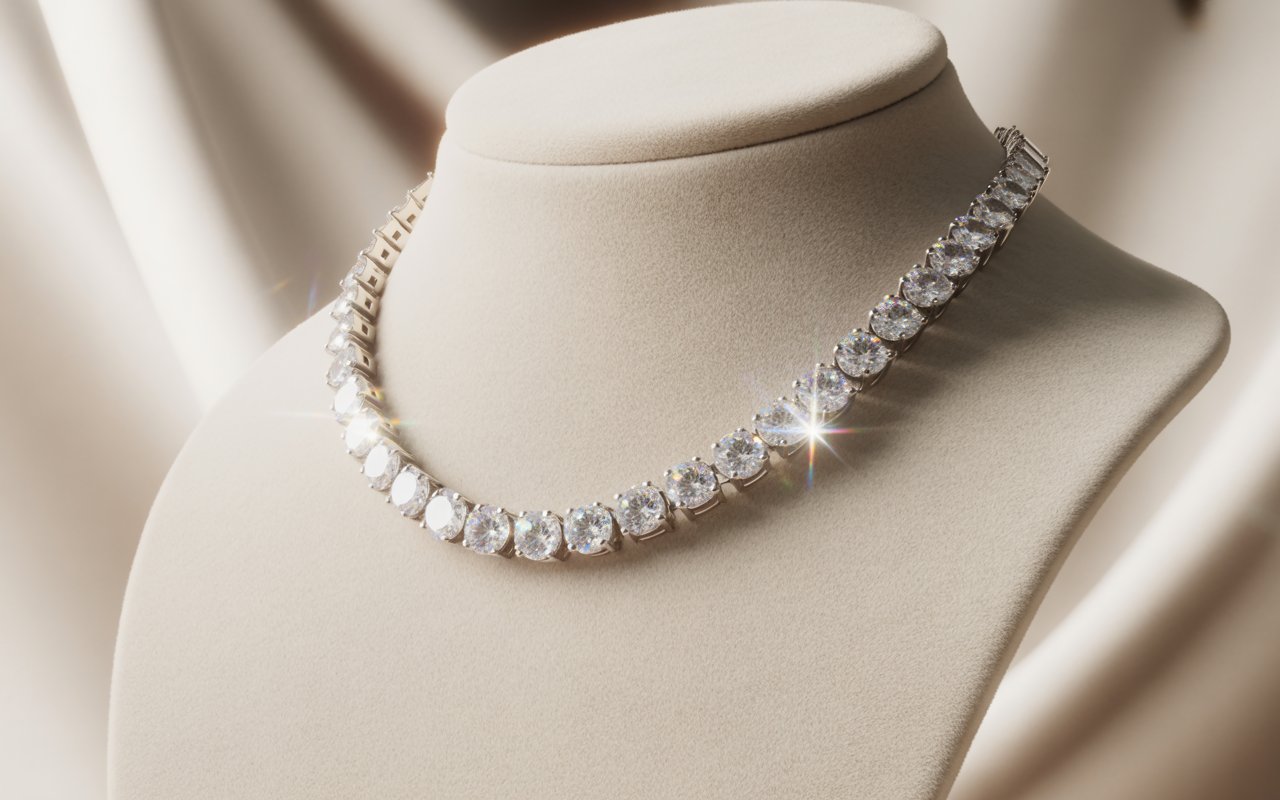
Diamonds are tough, but they still need care. Regular maintenance ensures your necklace remains as stunning as the day you bought it.
-
Store separately to prevent scratches.
-
Clean gently using mild soap, warm water, and a soft brush. Avoid harsh chemicals.
-
Schedule professional cleanings once or twice a year for deeper shine.
-
Check clasps and settings periodically to avoid accidental loss.
A little attention goes a long way in preserving its brilliance for decades.
Investment and Emotional Value
For many, diamond necklaces are both a financial investment and a sentimental treasure. Their value often appreciates over time, especially for rare designs and high-quality stones. But beyond the price tag, these pieces hold emotional significance—marking memories, relationships, and milestones.
It’s like owning a beautiful story you can wear—a story that may one day be passed on to someone else.
Ethical and Sustainable Choices
Today’s buyers are increasingly mindful about where their diamonds come from. Many jewelers now provide certificates ensuring conflict-free sourcing, while others specialize in lab-created diamonds, which offer the same physical and chemical properties as mined ones—often at a lower environmental cost.
Making a responsible choice not only supports ethical practices but also adds meaning to your purchase.
Conclusion: More Than Just Jewelry
A diamond necklace is not merely an accessory. It’s a blend of history, craftsmanship, personal expression, and timeless beauty. Whether you wear it to make a statement, celebrate a milestone, or cherish it as a family heirloom, its sparkle has a way of touching hearts across generations.
So the next time you see one glimmering in a jewelry display, remember—you’re not just looking at stones. You’re witnessing a legacy, a symbol, and perhaps, the beginning of your own story.
Frequently Asked Questions
1. How do I choose the right length for a diamond necklace?
Necklace lengths vary, from chokers (14–16 inches) to opera styles (28+ inches). Your choice depends on your neckline and occasion. Shorter lengths suit formal and modern outfits, while longer ones add elegance to evening wear.
2. Are lab-grown diamonds real diamonds?
Yes, lab-grown diamonds have the same physical and chemical properties as natural ones. The difference lies only in their origin—created in a lab instead of mined from the earth.
3. Can diamond necklaces be worn daily?
Absolutely. Simpler designs like solitaire or small pendant necklaces are perfect for everyday wear. Just remember to remove them during heavy physical activity or cleaning to prevent damage.
4. How often should I clean my diamond necklace?
Light cleaning once every two weeks keeps it shining. Professional cleaning every six to twelve months is recommended for thorough maintenance.
5. Do diamond necklaces hold their value over time?
High-quality pieces, especially those with rare cuts or historical significance, often appreciate in value. However, their emotional and sentimental worth is often priceless.