

Mountain biking is all about freedom — ripping through forest trails, cruising over rocky slopes, or just enjoying a ride with friends. But your experience can change completely based on one simple choice: your shoes. The right footwear keeps you balanced, stable, and confident while exploring the great outdoors. If you’ve ever wondered why so many riders swear by specialized shoes, this guide will walk you through everything you need to know.
Below, we’ll break down the essentials of mountain bike shoes with a conversational, easy-to-digest approach. Whether you’re a beginner or a casual weekend rider, this article will help you make smart choices on your next adventure.
What Makes Mountain Bike Shoes Different?
Ever tried riding off-road with sneakers? They may feel fine at first, but once the trail gets bumpy, you’ll quickly notice they fall short. Mountain bike shoes are designed to work with rugged terrains. They stay steady on the pedals, protect your feet, and offer better control no matter the conditions.
Imagine traveling down a rocky trail — it feels like dancing. Your feet need rhythm, grip, and stability. And that’s where these shoes shine.
Types of Mountain Bike Shoes
Flat Pedal Shoes
These are great for riders who want freedom. You simply place your foot on the pedal and go. The bottom of the shoe grips the pedal pins so your feet don’t slip easily. Many beginners prefer these because they feel natural.
Clipless Pedal Shoes
Despite the name, you actually clip into the pedal. It takes a little practice, but once you get the hang of it, this system gives more control and power transfer. Clip-in riders love the feeling of being connected to the bike.
How Mountain Bike Shoes Improve Your Ride
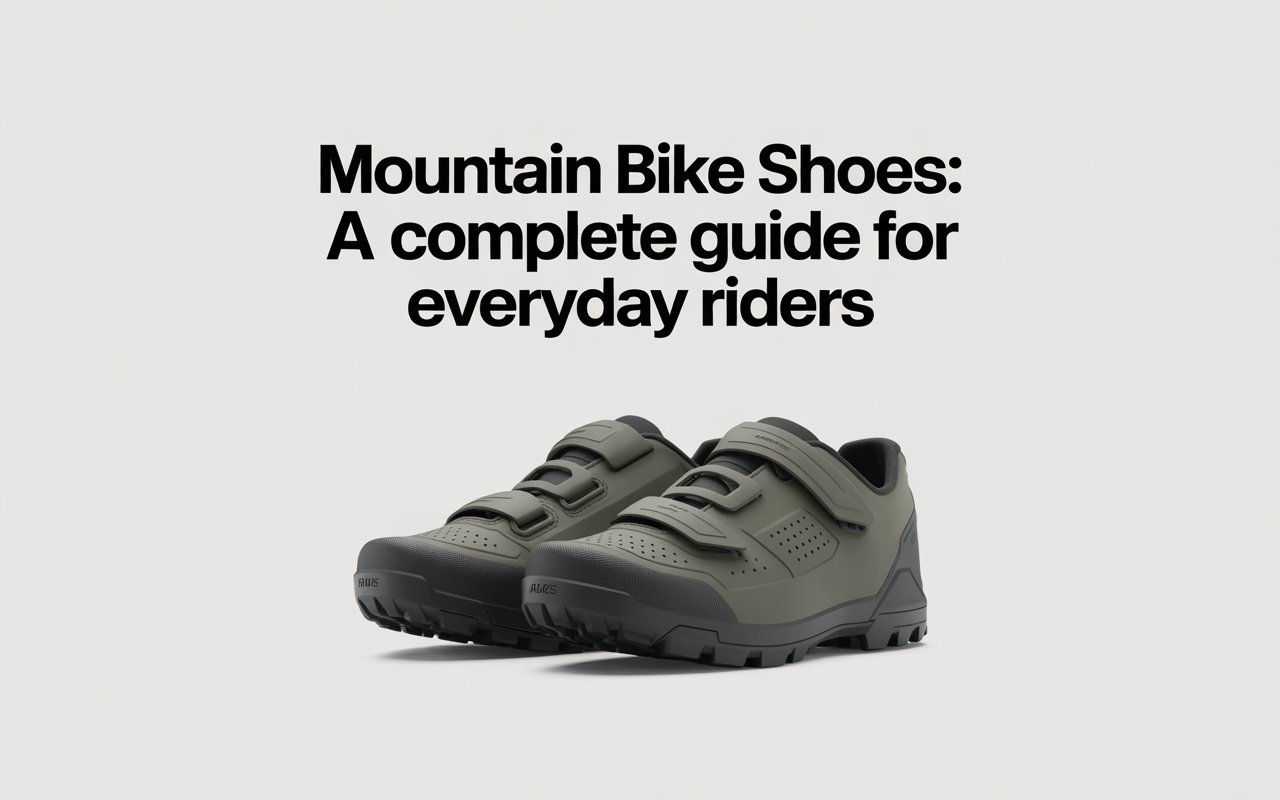
You might wonder — do specialized shoes really make a difference? Absolutely. They help you:
-
Stay stable on tricky terrain
-
Transfer energy more efficiently
-
Reduce foot fatigue
-
Maintain control over bumps and curves
-
Feel more confident while riding
Think of them like steering wheels for your feet. Without the proper connection, you lose power and precision.
Anatomy of a Mountain Bike Shoe
At first glance, these shoes look like sporty sneakers, yet there’s more than meets the eye. Understanding the parts makes it easier to choose the right pair.
Upper
This is the top part of the shoe. It should be durable, breathable, and comfortable.
Sole
The sole determines how stiff or flexible your shoe feels. A stiffer sole allows better energy transfer.
Tread
Rugged tread patterns add traction for walking on slippery or steep ground.
Closure System
Some shoes use laces, Velcro straps, or BOA dials to secure your foot.
Flat vs. Clipless: Which Should You Choose?
Choosing between flat and clipless depends on your comfort level and riding style.
Flat Pedals
-
Great for beginners
-
Easier to bail out in emergencies
-
Comfortable for casual riding
Clipless Pedals
-
Better power transfer
-
Increased control
-
Ideal for experienced riders
Both systems work well; it’s about personal preference. Some riders even switch between the two, depending on the trail.
Fit and Comfort: Why It Matters
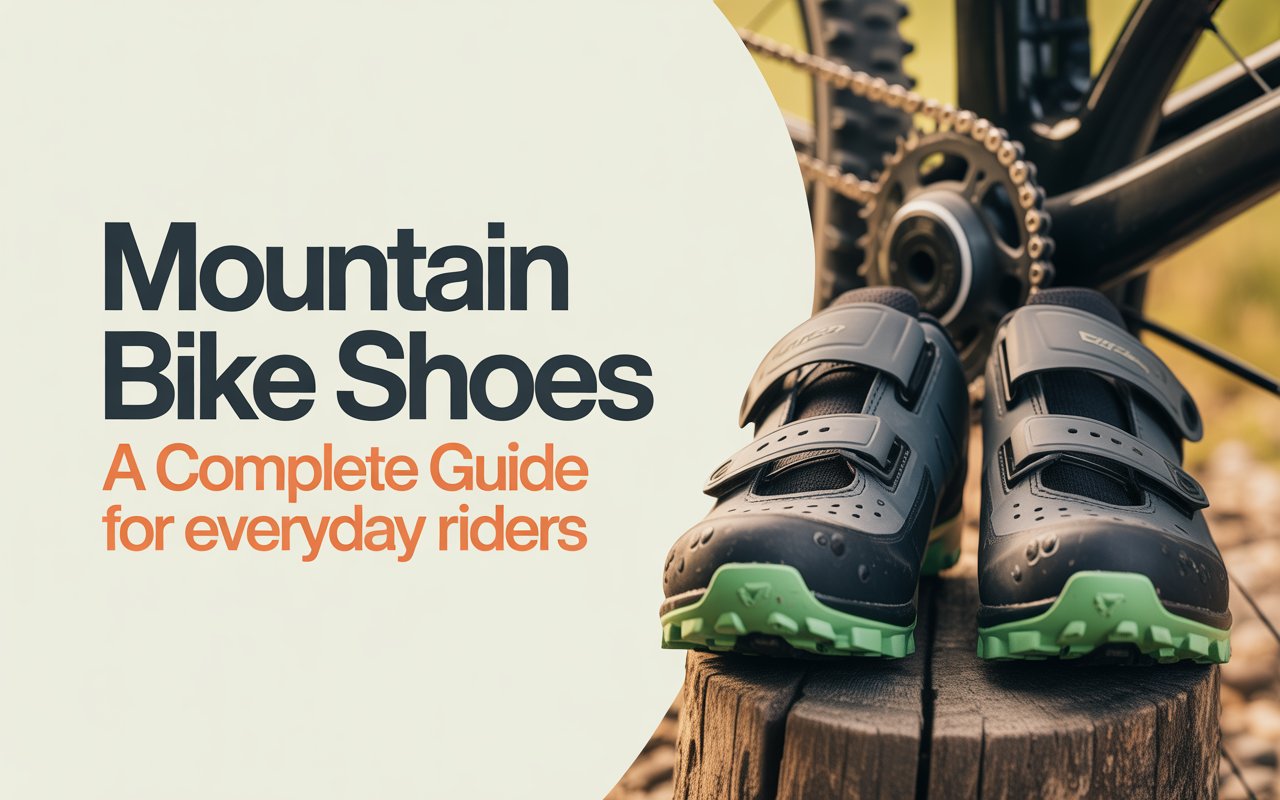
A good fit is crucial. If your shoes are too tight, your feet will feel cramped. Too loose, and you might slip around inside. When your feet feel secure, you can ride longer without discomfort.
A simple tip: try wearing your biking socks when testing shoes. That extra millimeter makes all the difference.
Construction Materials and Their Purpose
The materials used in mountain bike shoes balance weight, durability, and breathability.
-
Synthetic leather offers protection.
-
Mesh panels keep airflow steady.
-
Rubber soles provide traction.
-
Reinforced toes resist impact.
These components make the shoes sturdy yet comfortable enough for long rides.
Tread Patterns and Grip Explained
The sole pattern plays a huge role in how well a shoe grips the pedal and the ground. Flat shoes often use sticky rubber for pedal grip. Deep, aggressive lugs help you walk around technical trails safely.
Shoe Stiffness: Does It Matter?
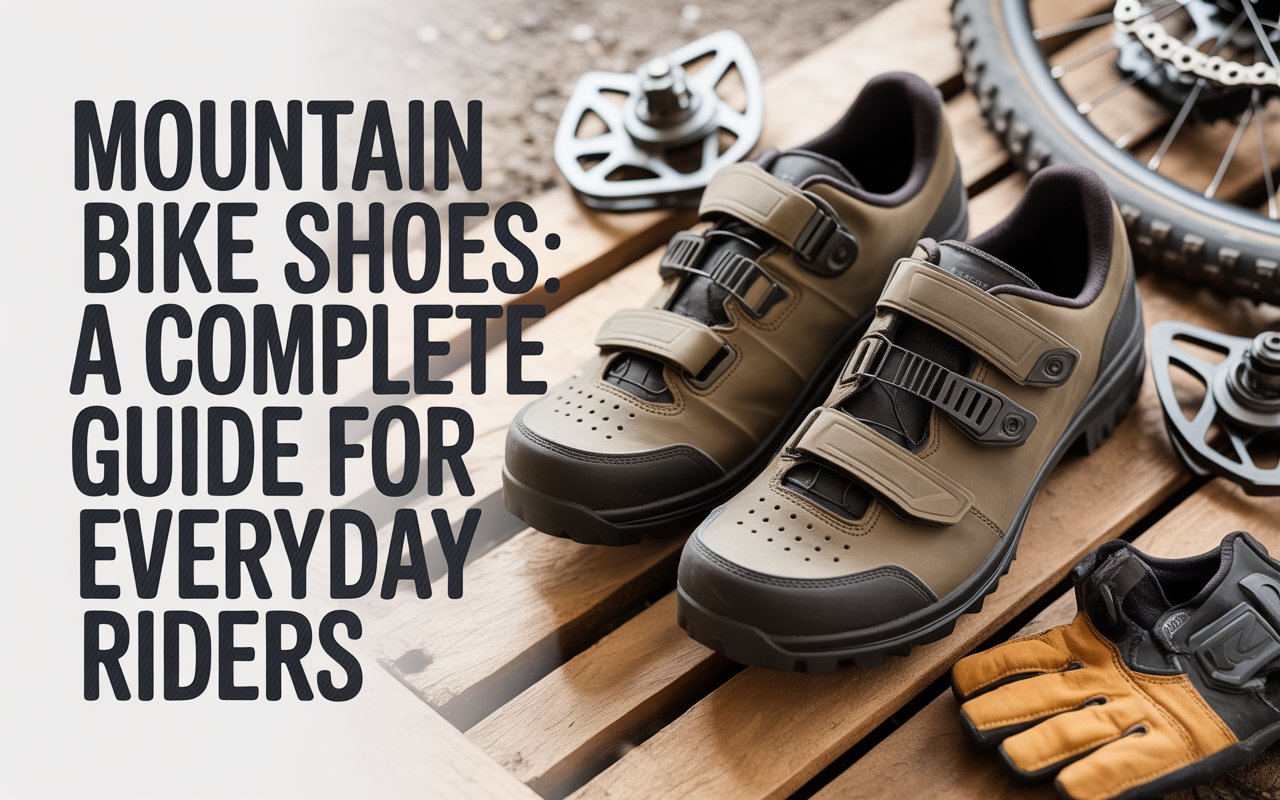
Absolutely! Stiff soles offer better energy transfer. That means more power goes into your pedals rather than being absorbed by the shoe. However, stiffness can make walking uncomfortable. So, it’s all about balance.
Recreational riders prefer medium-stiff shoes, while racers usually opt for stiffer soles.
Care and Maintenance Tips
Mountain bike shoes are tough, but they still need love.
-
Clean after muddy rides
-
Dry them naturally; avoid heaters
-
Brush dirt from the soles
-
Check cleats regularly (if clipless)
Treated well, a good pair will last several seasons.
Price Ranges and What to Expect
Mountain bike shoes come in various price brackets.
Entry-Level
Affordable, comfortable, and perfect for beginners.
Mid-Range
Better materials, stronger soles, and more features.
High-End
Top-tier construction for serious riders. Expect premium comfort and durability.
Buy what suits your needs — you don’t have to go top-shelf to enjoy your rides.
How to Choose the Right Pair
Picking a pair of shoes can feel overwhelming.Here’s a straightforward roadmap to help you make the best choice:
-
Determine your riding style
-
Casual, trail, downhill, or racing?
-
-
Choose pedal type
-
Flat or clipless?
-
-
Check the fit
-
Snug but comfortable
-
-
Consider the terrain
-
Rocky trails might need tougher soles
-
-
Set a budget
-
Quality doesn’t always mean expensive
-
Just like choosing the perfect hiking boots, you’ll want a pair that matches where and how you ride.
Final Thoughts
Choosing the right mountain bike shoes changes everything. You’ll ride with more control, confidence, and comfort. These shoes aren’t just accessories — they’re essential tools for smoother adventures. Whether you’re looping around familiar paths or exploring new trails, the proper footwear supports every pedal stroke. Think of them as the bridge between you and the mountain; once you find the right fit, every ride feels better.
FAQs
1. Are mountain bike shoes worth it?
Yes, they enhance grip, stability, and power transfer, making riding safer and more comfortable.
2. Can I use regular sneakers for mountain biking?
You can, but they won’t offer the same support, traction, or protection as specialized shoes.
3. What’s the main difference between flat and clipless shoes?
Flat shoes grip the pedal surface, while clipless shoes lock into the pedal for better control and efficiency.
4. Can I walk comfortably in mountain bike shoes?
Most are comfortable enough for walking, especially flat shoes. Clipless shoes vary depending on their design.
5. How long do mountain bike shoes last?
With proper care, a good pair can last several years, depending on usage and terrain.