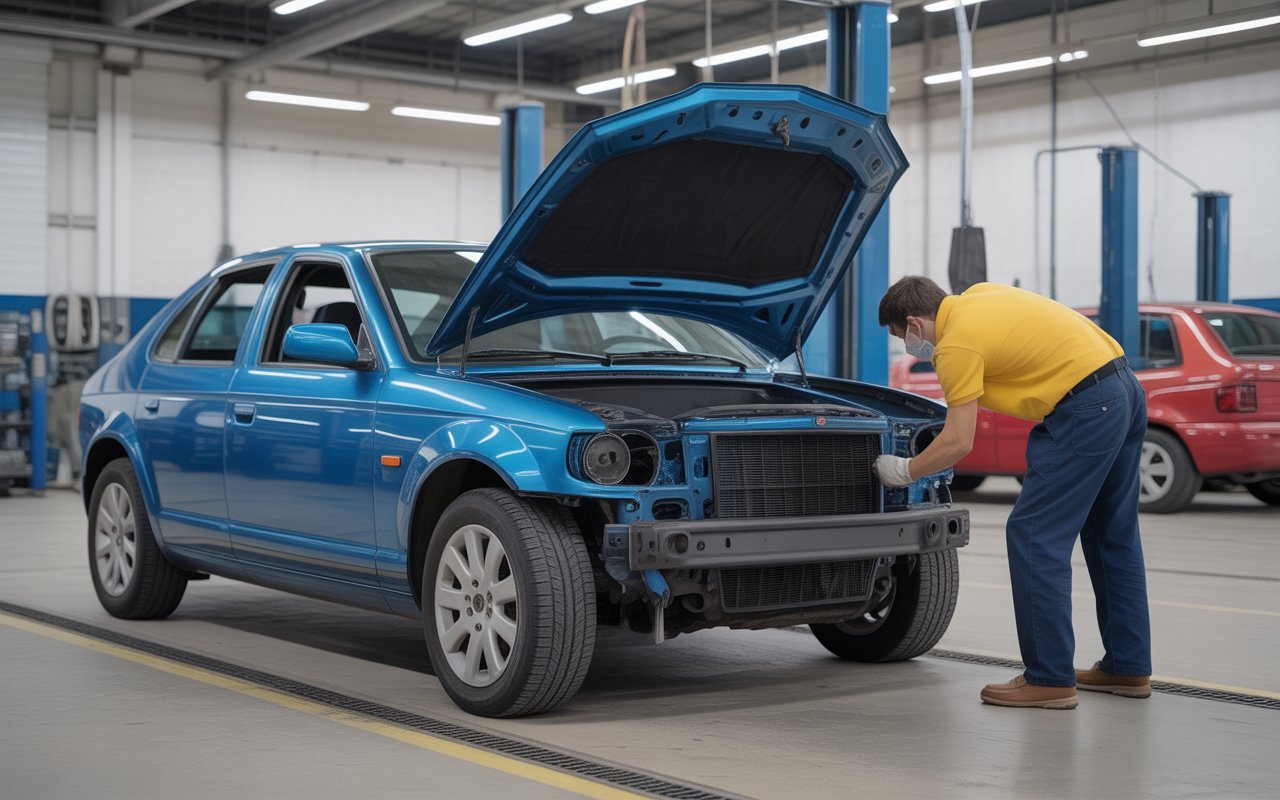
Accidents happen. Sometimes it’s a small scratch in the parking lot; other times, it’s a serious collision that leaves your car needing major repairs. Whatever the case, one of the first thoughts that often crosses your mind is, “Where can I find a reliable body shop near me?”
If you’ve ever felt overwhelmed by choices, unsure of what to look for, or worried about getting overcharged, this guide is for you. Think of it as your personal road map to understanding everything about choosing the right auto repair workshop — from spotting quality service to getting the best value for your money.
Why Choosing the Right Body Shop Matters
More Than Just Fixing Dents
When most people think of auto body shops, they imagine a team of technicians straightening out panels or repainting bumpers. But a great workshop does more than that. It ensures that your vehicle is structurally sound, safe to drive, and looks just as good — if not better — than before the damage occurred.
The difference between a mediocre shop and a professional one can affect not only your car’s appearance but also its resale value and your safety on the road.
Understanding What Auto Body Shops Actually Do
Collision Repair and Structural Restoration
If you’ve been in an accident, structural repairs are often the first step. Technicians use advanced equipment to measure your car’s frame and restore it to factory specifications. Even a slight misalignment can affect your car’s handling, so precision is key.
Paintwork and Refinishing
Ever noticed how mismatched paint can make even a repaired car look cheap? Skilled painters blend and match colors perfectly so that no one can tell where the damage was. High-quality paintwork also protects the car from rust and weather damage.
Scratch and Dent Removal
Small dents or scratches might seem insignificant, but leaving them untreated can lead to corrosion or lower the vehicle’s value. Many shops now offer paintless dent repair, which removes dents without needing a full repaint.
Bumper, Glass, and Panel Replacements
From cracked windshields to broken bumpers, auto body shops handle all kinds of replacements. They ensure parts are correctly fitted and meet safety standards.
How to Start Your Search Locally
Use Local Directories and Maps
One of the easiest ways to find workshops around you is through digital maps and local business listings. A quick search can show you nearby repair centers, complete with ratings, reviews, and directions.
Ask Friends, Family, and Neighbors
Word of mouth is often more reliable than ads. People who have recently repaired their cars can share honest experiences — both good and bad.
Check Community Boards and Forums
Local online groups, neighborhood forums, or even community centers can be treasure troves of recommendations. People love to share their go-to service providers.
Qualities of a Trustworthy Auto Body Shop
Certification and Licensing
Always look for certifications from recognized organizations. This signals that the technicians have undergone proper training and the shop meets certain industry standards.
Transparent Estimates
A good shop will explain the repair process and give you a clear, itemized estimate — no hidden surprises. If a place hesitates to provide details, that’s a red flag.
Warranty on Repairs
Offering a warranty shows confidence in their work. Whether it’s a lifetime warranty on paint or a specific guarantee on parts, this gives you peace of mind.
Clean, Organized Facility
The state of the shop often reflects the quality of their work. A tidy, well-maintained space usually indicates professionalism and attention to detail.
Comparing Multiple Shops Before Deciding
Get Multiple Quotes
Don’t settle for the first estimate you receive. Visiting at least two or three shops allows you to compare prices, services, and timelines.
Look Beyond Price
The cheapest option isn’t always the best. Consider experience, equipment, materials, and customer service. Sometimes paying a little more upfront saves you a lot of trouble later.
Evaluate Communication
Did they answer your questions clearly? Did they explain the repair process in a way you understood? How a shop communicates can tell you a lot about their professionalism.
The Role of Insurance Companies

Direct Repair Programs
Some insurers have partnerships with certain workshops. This can speed up the claims process, but you’re not obligated to use those facilities. You have the right to choose any shop you trust.
Pre-Approved Estimates
Insurance companies often send adjusters to assess the damage. Good body shops work seamlessly with insurers, ensuring all necessary repairs are documented for coverage.
Understanding Your Policy
Know your deductible, coverage limits, and whether OEM (original equipment manufacturer) parts are included. This prevents unpleasant surprises when the bill arrives.
Signs of a Shop You Should Avoid
Vague Answers and No Written Estimates
If they won’t put anything in writing, that’s a major warning sign. Reliable businesses provide clear documentation.
Pressure Tactics
A trustworthy shop won’t pressure you into immediate decisions. They’ll give you time to think and compare.
Unrealistically Low Prices
When an offer seems unbelievably good, there’s often a catch hiding beneath the surface. Lowball quotes often mean cutting corners on parts or workmanship.
Questions to Ask Before You Commit
-
How long will the repairs take?
-
What type of parts will you use — OEM or aftermarket?
-
Do you offer a warranty on your work?
-
Will you work directly with my insurance company?
-
How will you match the paint color?
Asking these questions upfront can save you from headaches later. A professional shop will welcome your curiosity and provide straightforward answers.
What to Expect During the Repair Process

Initial Assessment
Technicians inspect your vehicle thoroughly to identify all visible and hidden damage.
Estimate and Approval
You’ll receive a cost estimate. Once approved, parts are ordered, and the repair process begins.
Disassembly and Repair
Damaged parts are removed, structural repairs are made, and replacement components are installed.
Painting and Refinishing
After repairs, your vehicle goes through surface preparation, priming, painting, and polishing to achieve a flawless finish.
Final Inspection
A quality shop conducts a final check to ensure everything meets safety and cosmetic standards before returning the car to you.
The Benefits of Supporting Local Businesses
Choosing a nearby workshop isn’t just convenient — it’s good for your community. Local businesses often offer more personalized service because they rely on their reputation to thrive. Plus, they contribute to the local economy, create jobs, and are usually more flexible when it comes to customer requests.
Tips for Maintaining Your Car After Repairs
-
Wash and wax regularly to protect the new paint.
-
Avoid harsh chemicals on freshly painted surfaces for the first month.
-
Inspect regularly for any unusual noises or alignment issues after major repairs.
-
Keep receipts and warranty documents in case you need follow-up service.
Think of it like taking care of a fresh wound — a little attention helps it heal perfectly and prevents future problems.
Common Myths About Auto Body Shops
“Only dealerships can do quality repairs.”
Independent shops can offer equal — sometimes better — quality service at more competitive prices.
“Insurance picks the repair shop for you.”
In reality, you have the final say. Insurers may recommend, but the choice is yours.
“Small dents aren’t worth fixing.”
Even minor damage can worsen over time, affecting resale value and leading to rust or structural issues.
Final Thoughts: Choosing With Confidence
Finding the right auto body shop nearby doesn’t have to feel like navigating a maze. By understanding what services they offer, knowing what to look for, asking the right questions, and trusting your instincts, you can confidently choose a shop that will treat your car — and your wallet — with respect.
Just like finding a good doctor, picking the right repair center is about trust, expertise, and communication. Take your time, do your research, and your vehicle will thank you with years of safe and smooth rides.
Frequently Asked Questions
1. How do I know if a body shop is reputable?
Check for certifications, read customer reviews, and look for clear communication. Reputable shops provide written estimates, warranties, and have well-organized facilities.
2. Can I choose any shop, or must I use the one my insurance recommends?
You’re free to pick any licensed repair center you prefer. Insurers may suggest shops, but the decision is entirely yours.
3. How long do typical repairs take?
Minor repairs like scratches or small dents can take a day or two. Major collision repairs might take a week or more, depending on parts availability and damage severity.
4. Will using aftermarket parts affect my car’s value?
It can. OEM parts usually maintain your car’s original value better, but quality aftermarket parts are also widely used. Always discuss options with your repair technician.
5. What should I do right after an accident before visiting a shop?
Ensure everyone’s safety, call the authorities if needed, take photos of the damage, contact your insurance company, and then research or get recommendations for a reliable local repair center.